The Most Promising Worlds Beyond Our Solar System
Hey, Space Placers!
September 11, 2026
Six New Planets
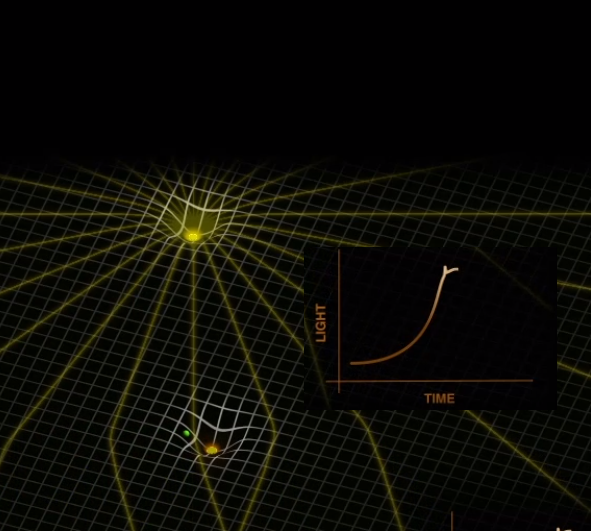
There are six new planets this week, comprising two warm Jupiters and four cold, giant microlensing planets. These additions bring the archive's total confirmed planet count to 6,366.
Meet our newest members: HD 715 b, HD 278555 b, KMT-2025-BLG-0026L b, KMT-2025-BLG-0030L b, KMT-2025-BLG-2272L b, andOGLE-2016-BLG-0261L b.
Click on a planet name to go directly to its System Overview page, or browse the Planetary Systems and Planetary Systems Composite Data tables.
News panel image credit: NASA
USEFUL EXOPLANET LINKS
https://science.nasa.gov/exoplanets/
https://science.nasa.gov/exoplanets/exoplanet-catalog/
https://exoplanetarchive.ipac.caltech.edu/
Sky Guy in VA


Comments
Post a Comment